This article was prepared as part of the Adspect.ai × Spytrend cross-promotion.
Facebook Ads continues to deliver significant traffic volume in 2026, but the cost of making mistakes has increased. Moderation systems look beyond creatives and landing pages — they also examine infrastructure, traffic behavior, and traces of previous bans. One weak link in the chain can result in restrictions on an entire campaign or account.
In this guide, we cover the 8 most common mistakes media buyers make when working with Facebook, based on real-world cases, Meta's current policies, and feedback from active users.
Preface: what is cloaking?
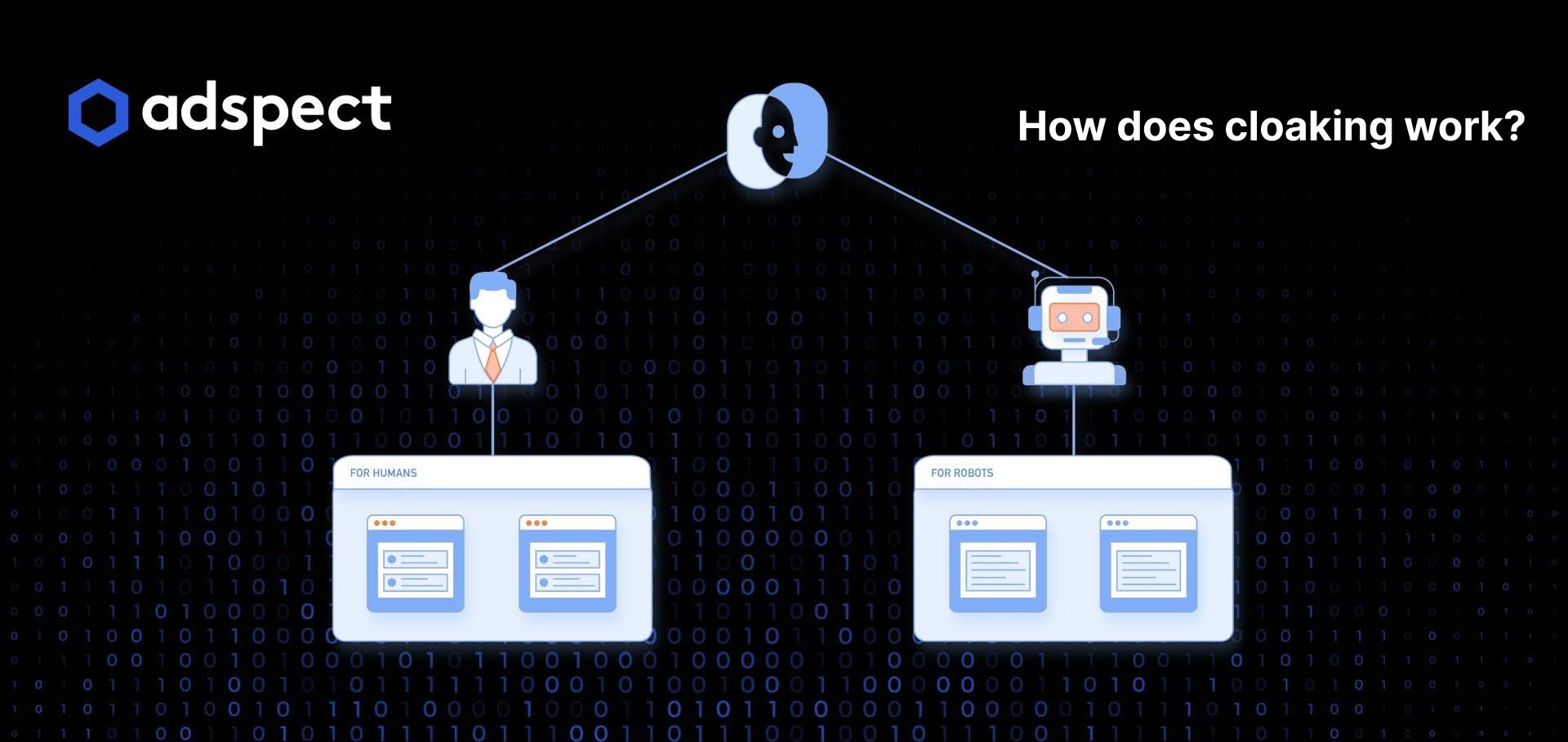
Cloaking is a traffic filtering technology that displays different content to different visitors based on specific parameters, such as IP address, device type, user behavior, traffic source, and more.
In simple terms, when visitors access the same URL, advertising platform moderators and bots are shown a safe page (White Page), while actual target users are shown the offer page (Money Page).
Why do media buyers need cloaking in 2026?
Protection against bans
Advertising platforms, particularly Facebook Ads, have strict moderation requirements. Cloaking is used to display safe content to moderators, potentially reducing the risk of account and domain restrictions.
Protection against bots and fraud
Cloaking filters out large volumes of unwanted and potentially harmful traffic, including click farms, checker bots, and other low-quality sources.
More stable scaling
When accounts and domains remain active longer, you spend less on constantly replacing accounts, warming them up, and running tests. This can improve ROI, reduce cost per lead, and make scaling more efficient.
In 2026, cloaking is no longer just a "gray-area" technique — it has become part of the infrastructure used by professional media buying teams. As anti-fraud systems become more sophisticated and moderation algorithms grow stricter, advertisers using advanced cloaking solutions aim to achieve greater operational stability and more efficient scaling.
⚠️ Now, let's take a look at the most common mistakes!
1. Using weak cloaking solutions
One of the main reasons campaigns get banned in 2026.
Many media buyers and teams still rely on basic PHP redirects or inexpensive cloaking solutions that only check IP addresses and User-Agent strings. Meanwhile, Meta uses advanced fingerprinting, behavioral analysis, and checker bots.
What to do: Switch to professional solutions such as Adspect. The service not only uses TCP/SSL fingerprints, JavaScript fingerprints, and VLA™ machine learning, but also aggregates 12 major engines used by competing cloaking services. Adspect filters traffic at least as effectively as all of them combined.
2. Poor-quality safe (white) pages
Meta moderators can easily identify poorly designed safe (white) pages.
Common mistakes:
- Generic, template-based text
- Slow loading times
- Poor or inadequate design
- Significant discrepancies between the creative and the landing page
- Broken links
- Images that fail to load
Tip: Use Adspect's built-in safe page generator by Comsign. It creates realistic, fully developed pages designed to meet moderation requirements. Adspect allows you to create safe (white) pages based on classic WordPress templates, as well as content from apps available on Google Play, the App Store, and Microsoft platforms.
3. Using cheap or suspicious domains
Avoid using domain extensions associated with low-cost registrations, such as .site, .club, and .world.
Such domains may attract additional scrutiny from reviewers, antivirus providers, and domain reputation scoring services. In practice, some of these domain extensions have a questionable reputation from the moment they are registered.
Best practice: Choose established domain extensions such as .org, .net, and .com.
4. Not using Cloudflare in the setup
Cloudflare is commonly used to protect server infrastructure and mask the origin IP addresses of web servers.
Many advertising networks retain the IP addresses of domains associated with banned accounts, but they will not block the IP addresses of one of the world’s largest CDN providers, which serves 10% of the Internet.
Note: Adspect fully supports Cloudflare in proxy mode.
5. Weak account warm-up
Even the best cloaking solution cannot compensate for poor account farming and warm-up.
Common mistakes:
- Launching campaigns on brand-new accounts
- Using low-quality proxies
- Poor or inconsistent account warming
- Unreliable payment methods
What to do? High-quality advertising accounts combined with Adspect deliver better results and help you run campaigns with fewer bans and operational issues.
6. Reusing campaign assets
A rule worth remembering:
Never reuse domain names, creatives, or safe (white) pages after a ban. Register new domain names for new accounts, and make your creatives and landing pages unique.
Many advertising networks retain a “digital fingerprint” of every domain, creative, and landing page. Even if you change the offer, the system may already remember a previously banned domain as “suspicious.”
Best practice: After a ban, retire the domain completely and never use it again. Replace or sufficiently modify the creatives. Prepare new safe (white) pages.
7. Too much traffic from a single account
Do not send too much traffic through one account.
Large volumes usually imply stable profitability and can therefore draw attention to the nature of your campaigns.
Also avoid creating too many campaigns in a single account. The more campaigns you run, the more material there is to review, the more often checks tend to occur, and the greater the chance of running into problems.
Remember: Do not stand out! If you are careless and attract the network staff’s attention, your setup is more likely to be uncovered.
8. Weak configuration of manual cloaking filters
Many users either don't configure manual filters at all or set them up incorrectly.
When using traffic filtering tools, make sure your country, operating system, browser, and language settings are configured correctly and consistently with your intended audience.
Meta may compare incoming traffic characteristics with the targeting parameters specified in an advertising campaign. Significant discrepancies can trigger additional checks.
Benefits of proper configuration: Better traffic quality, less unwanted bot traffic, more accurate filtering, reduced system load, and a higher proportion of relevant visitors reaching your landing pages.
Conclusion:
A cloaking service is only one component of a system for launching advertising campaigns effectively. Successful cloaking requires strict attention to many other important conditions as well.
In 2026, successful Facebook advertising is no longer just about finding a powerful cloaking solution. It is about building a complete, professional infrastructure: reliable accounts, quality campaign assets and domains, secure infrastructure, and continuous monitoring.
Those who take these factors seriously are better positioned to maintain consistent operations and scale their campaigns. See you next time!